Florence offers a rich cultural heritage through diverse museums showcasing masterpieces from renowned artists and providing insights into its Renaissance past. Beyond iconic institutions like the Uffizi Gallery and Galleria dell'Accademia, exploring smaller gems like Palazzo Pitti and lesser-known sites adds depth to understanding Florence's history and culture. The city's historic architecture, vibrant atmosphere, culinary scene, and nearby towns make it a must-visit for authentic cultural experiences, with top things to do in Florence naturally including Piazza della Signoria, Oltrarno streets, and day trips to Siena and San Gimignano.
Florence, a city brimming with artistic heritage and cultural allure, stands as one of the most captivating destinations in Europe. Beyond its iconic landmarks and renowned art museums, Florence offers an array of vibrant experiences that cater to diverse interests. This article delves into the intricate web of Florence’s cultural circuit, examining the challenges faced by visitors navigating its rich offerings and proposing a structured approach to uncover the city’s hidden gems. By providing insightful guidance on things to do in Florence, we aim to empower travelers to immerse themselves fully in this artistic haven, ensuring they leave with unforgettable memories.
- Discovering Florence's Artistic Heritage: Museums and Galleries
- Exploring Historic Sites: Architecture and Cultural Landmarks
- Immerse in Local Flavors: Food, Markets, and Traditional Events
Discovering Florence's Artistic Heritage: Museums and Galleries
Florence, a city brimming with artistic heritage, beckons visitors with an array of museums and galleries that offer a deep dive into its rich history and cultural significance. Among the things to do in Florence, exploring these cultural institutions is a must for anyone serious about immersing themselves in the city’s creative spirit. The city’s museums not only showcase renowned masterpieces but also provide insights into Florence’s territorial activities across centuries, reflecting its role as an artistic powerhouse during the Renaissance and beyond.
One cannot miss the Uffizi Gallery, arguably one of the world’s most famous art museums. Housing a collection that spans from the Middle Ages to the 19th century, it boasts works by Botticelli, Michelangelo, da Vinci, and many others. This iconic museum is not just about admiring paintings; it also offers a window into Florence’s role as an artistic haven during the Renaissance, where artists and thinkers flocked to contribute to its vibrant cultural scene. Similarly, the Galleria dell’Accademia is home to the original statue of David by Michelangelo, a symbol of Florentine art and ingenuity that captures the spirit of the city’s territorial activities focused on sculpture and architectural marvels.
For those seeking a more diverse experience, Florence offers numerous smaller museums and exhibitions that delve into specific aspects of its artistic heritage. The Palazzo Pitti, for example, showcases a variety of collections including Renaissance paintings and contemporary art. Its vast gardens provide a serene escape from the bustling city, reflecting the importance of territorial activities focused on urban planning and green spaces during the Renaissance period. Beyond these iconic institutions, exploring lesser-known gems like the Museum of Precious Stones (Museo dell’Opere del Duomo) or the Santa Maria Novella Church museum offers further insights into Florence’s intricate artistic tapestry, enriching one’s understanding of things to do in Florence that go beyond the typical tourist itinerary.
Exploring Historic Sites: Architecture and Cultural Landmarks
Exploring Historic Sites: Architecture and Cultural Landmarks in Florence
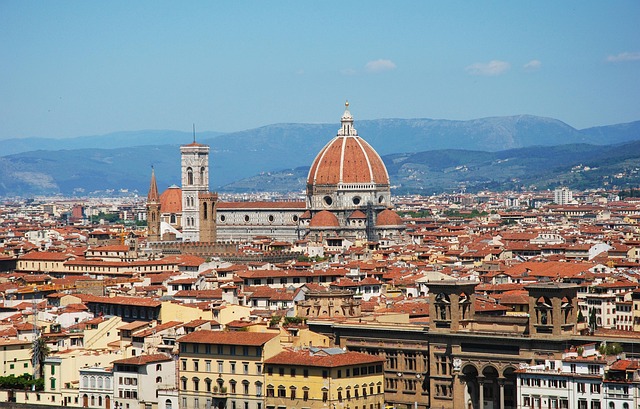
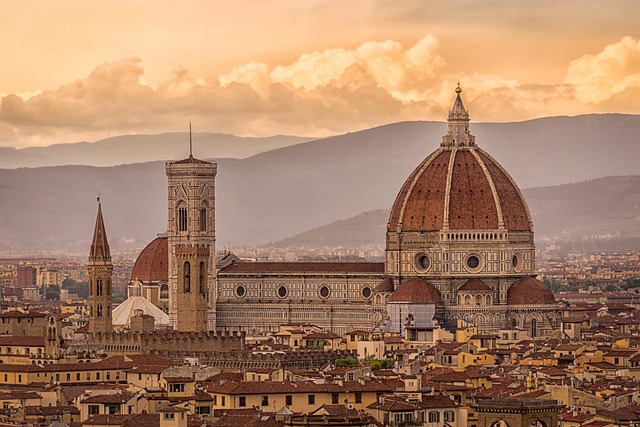
Florence, a city steeped in history and culture, offers an unparalleled experience for those seeking to delve into its rich past. When visiting this enchanting Italian destination, engaging in things to do in Florence that focus on historic sites is essential for any well-rounded trip. The city’s architectural marvels and cultural landmarks serve as testaments to its illustrious territorial activities spanning centuries. Among the must-see sites are iconic structures like the Duomo Cathedral, a masterpiece of Renaissance architecture, and the Uffizi Gallery, housing an astonishing collection of art from Florence’s golden age.
Beyond these renowned attractions, exploring lesser-known yet equally captivating historic sites offers a deeper understanding of Florence’s multifaceted history. Walking through the medieval streets, visitors can discover charming piazzas, ancient churches, and elegant palazzi that narrate the city’s evolution. For instance, the Piazza della Signoria, a vibrant public square, showcases sculptures and buildings that reflect Florence’s political and cultural significance over time. Similarly, the San Lorenzo Market provides a glimpse into the city’s vibrant trade history, while the Santa Croce Basilica honors prominent Italians with its impressive tombs.
Engaging in these things to do in Florence naturally allows visitors to immerse themselves in the city’s territorial narratives. By visiting historic sites, one gains insight into Florence’s artistic revolution, political power struggles, and commercial prowess. Local tours guided by expert historians or architecture enthusiasts can provide valuable context, ensuring a deeper appreciation of the cultural landmarks encountered along the way. Embracing these experiences not only enriches travel memories but also fosters a profound connection to the historical tapestry woven within Florence’s very fabric.
Immerse in Local Flavors: Food, Markets, and Traditional Events
Florence